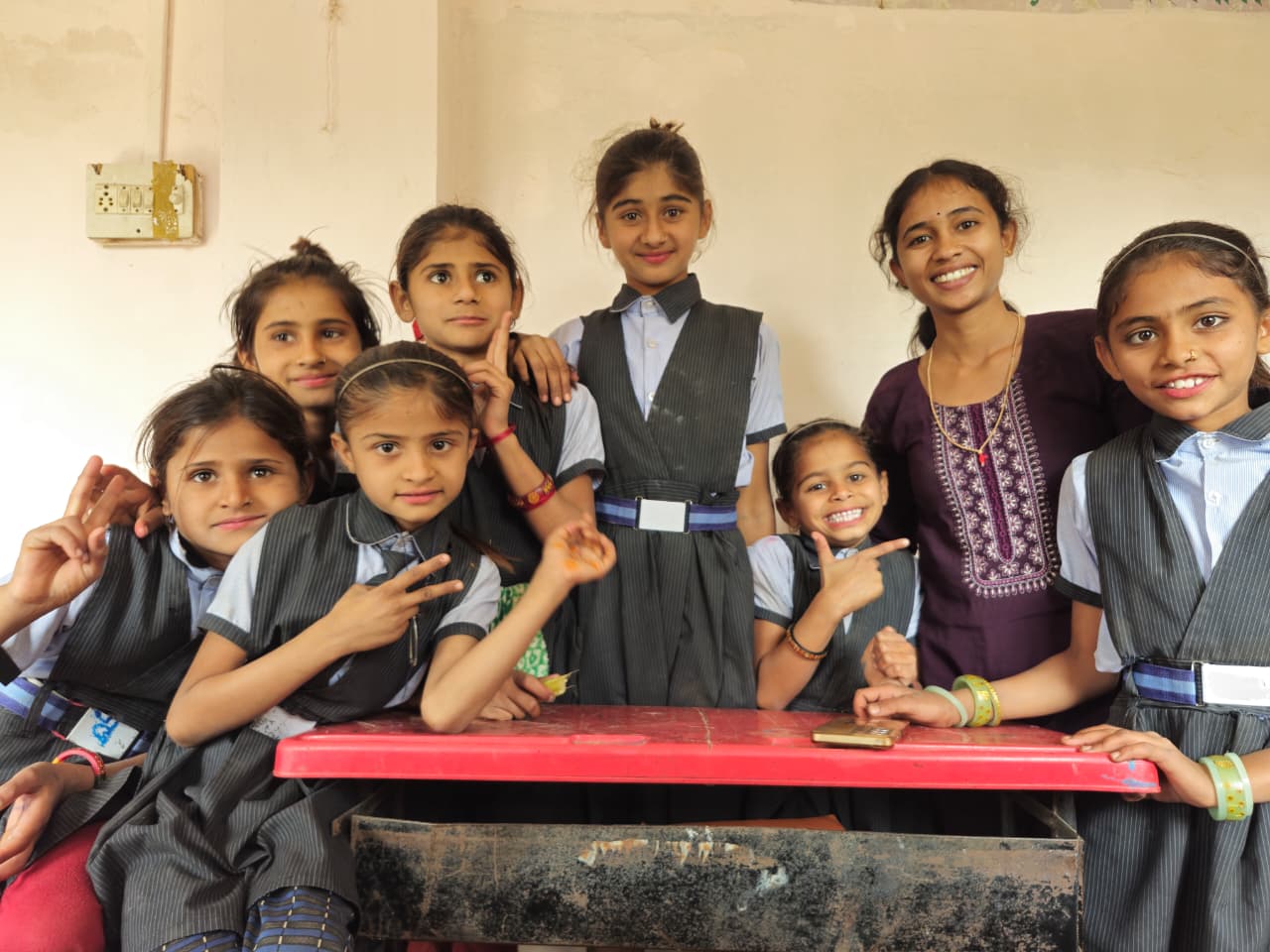
Travelling into unknown
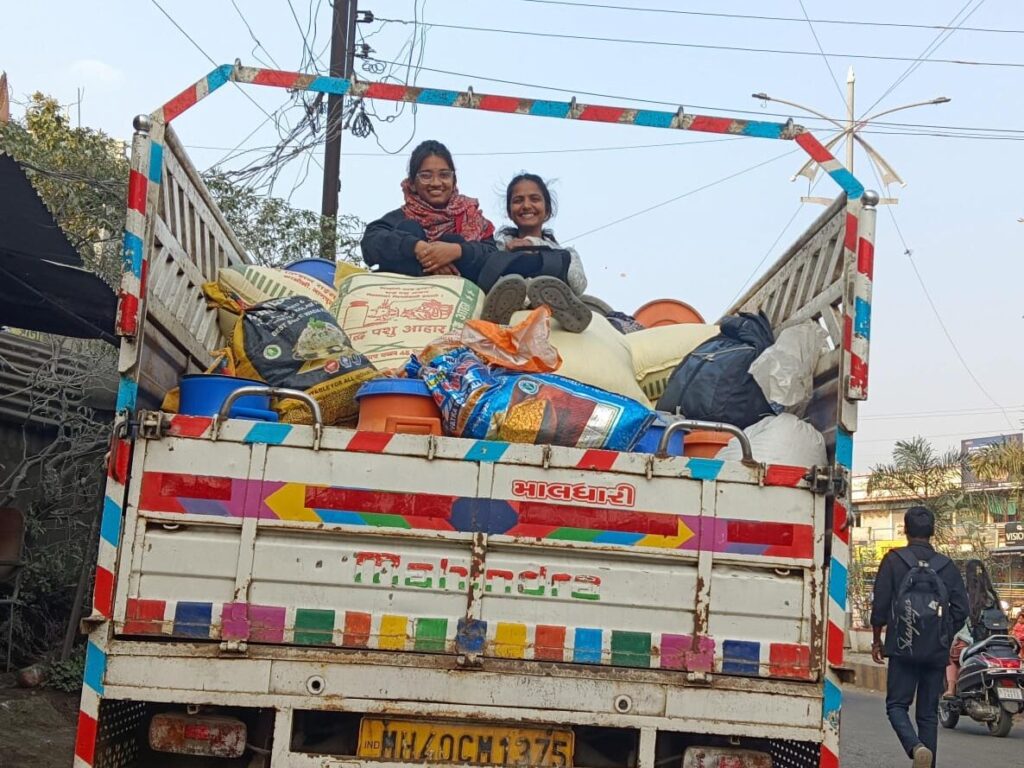
Why are a couple of young women daring to travel 150 kilometers from Nagpur—through forests and completely unfamiliar roads—sometimes on a milk truck, a motorbike?
Chakrighat Beda migrates much earlier than most other settlements. So, just when children would begin to learn, the community would move again. So even after sustained effort, not a single child was even reaching the level of reading. Realising this, Vikrant and Asmita decided that if learning couldn’t wait for stability, it had to move with the children. No matter how far the Beda travelled during migration, they made it a point to reach them at least once a week—revisiting old lessons and introducing new ones—so that parents could begin to feel both the possibility and the importance of education.
In the years that followed, Pallavi, Aachal, Komal, and Navnita carried this commitment forward. And in 2024, Chakrighat Beda saw its first group of five to six children who could read. Watching the fellows’ persistence, parents too began making greater efforts to support their children’s learning.
The walk through forest
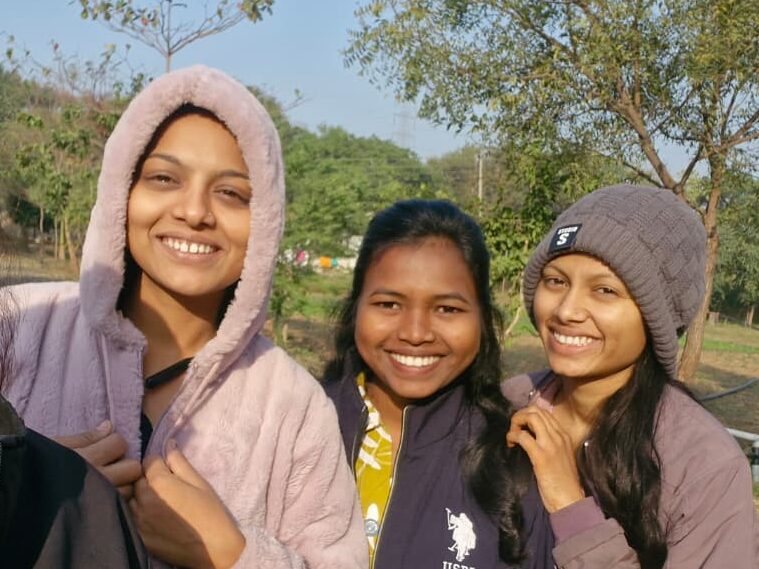
Even with the fear of wild boars and tigers on the road, why did Payal and Pallavi walk 3 kilometres every day?
Because that very distance is why most of Kanha’s older siblings—and even 2–3 generations before them in Thantthan—grew up without ever learning to read. Even Kanha himself hadn’t learned to read, despite being 11 years old.
Because of Payal and Pallavi’s courage, education finally reached Kanha’s hamlet. Today, Kanha reads with confidence, he is learning English, and dreams of becoming a veterinarian.
Shouldering the burden for the girls
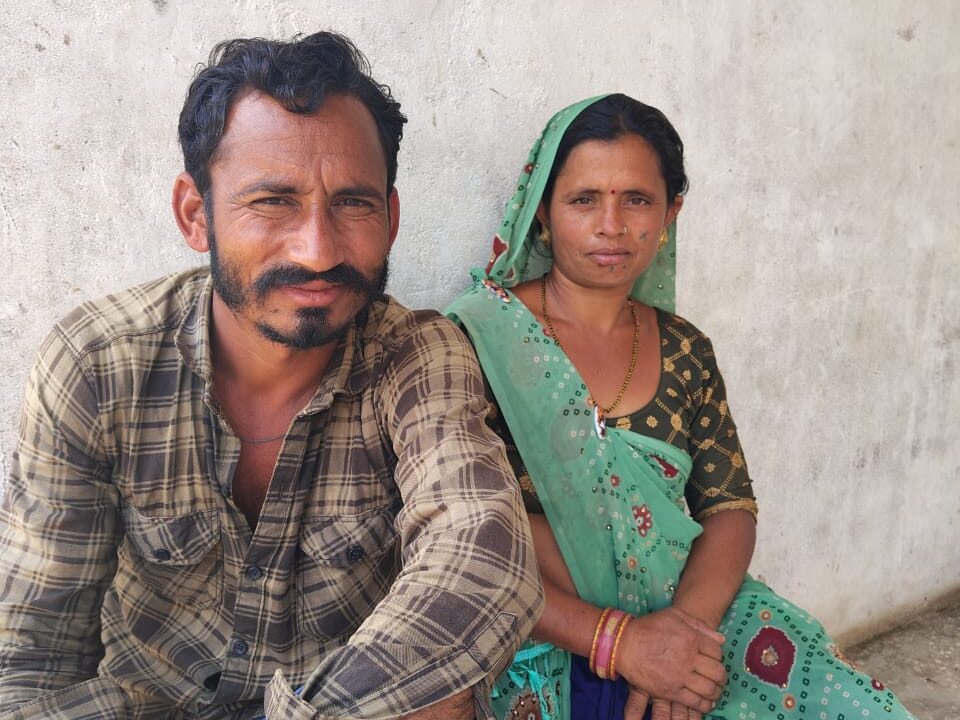
When she was already working herself to exhaustion, why did Lakshmitai take on even more?
With nearly 60–70 cattle in each household, life in the Bharwad hamlet involves relentless work. Along with the adults, school-going girls are expected to shoulder heavy responsibilities at home. Often, this means they miss school—or reach late.
Lakshmitai didn’t want the same to happen to her daughters, Radha and Riddhi. So she quietly took some of their work onto herself and made sure they left for school on time, every day. That choice made the difference. Today, Radha and Riddhi have completed primary school and are studying in high school.
Belief, patience and group games
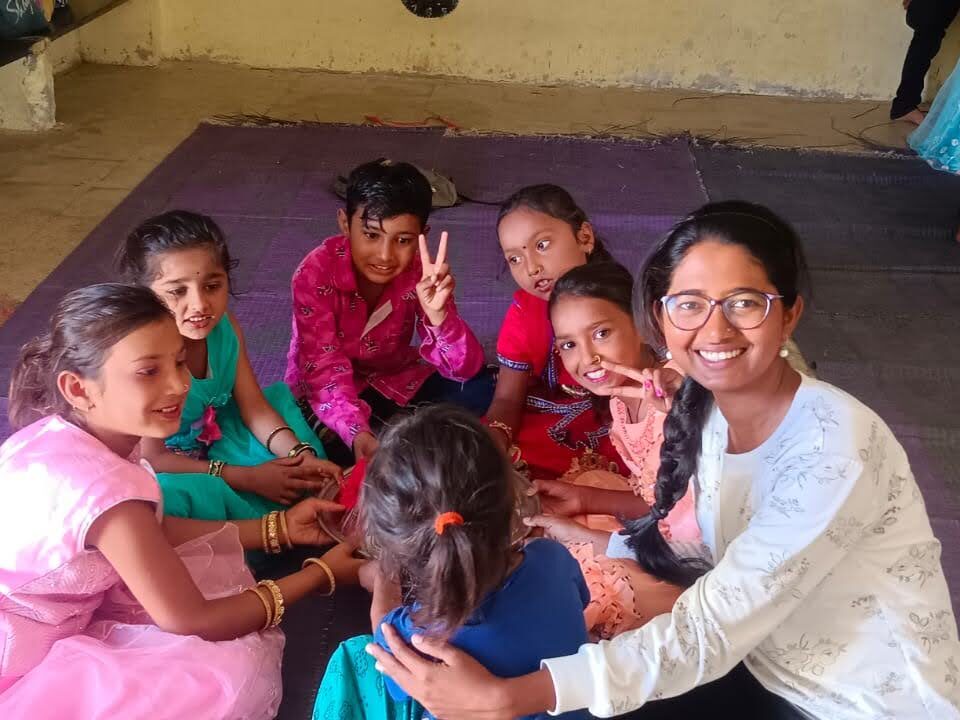
Why did Varsha and Kanchan stay rooted in the field—listening to angry, hurtful words from parents after children’s fights—instead of walking away?
For years, children from the Bharwad and Pardhi communities were kept separate in school. The belief was simple: “They’ll never sit together. There will be fights.” As a result, children from the Pardhi community—already more marginalised—were pushed even further away from education.
Knowing this had to change, Varsha and Kanchan stepped forward. They knew there would be conflict, resistance, and anger. Still, they chose to stay, listen, and keep the conversation going.Over the course of a year, shared games slowly changed everything. Today, children from both communities are friends. They study together, play together, and visit each other’s homes. And because of this shift, Suhani and Roshni are now the first girls from the Pardhi community to complete primary school and move on to secondary school.
Repeated trips to hostel
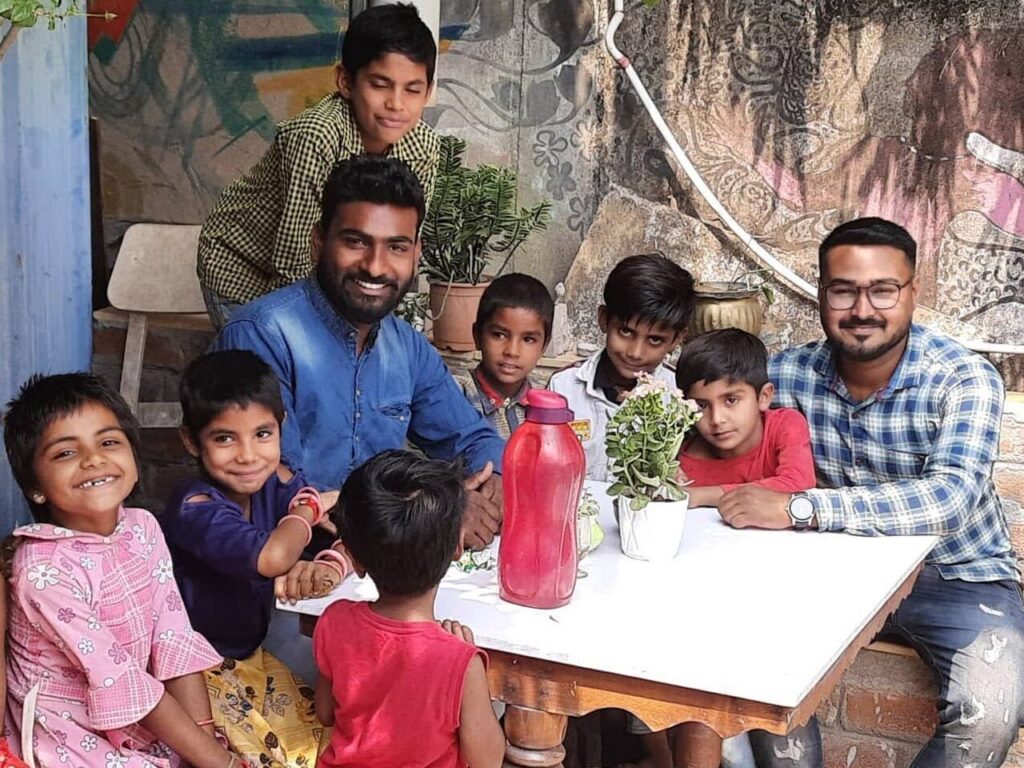
Why did Kunal go beyond his assigned hours—and even spend from his modest salary—to make repeated trips to the hostel for Kishor?
In 2019, there was almost not a single child in the Sonkhamb Beda who could read or write. After two years of sustained effort, children began learning to read and write, and Kishor became the first child from the group to get admitted to a city hostel for secondary school. But within a short time, academic challenges, financial strain, and a lack of encouragement brought him back home. He had already begun to believe that his education was over.
Kunal refused to let that be the end of the story. Beyond his formal responsibilities, he raised money on his own, spoke patiently with Kishor and his parents, and personally took him back to the hostel—again and again, whenever it was needed. Today, Kishor is in Class 10. He studies with confidence and represents his school in several divisional-level sports competitions.
School for Girls
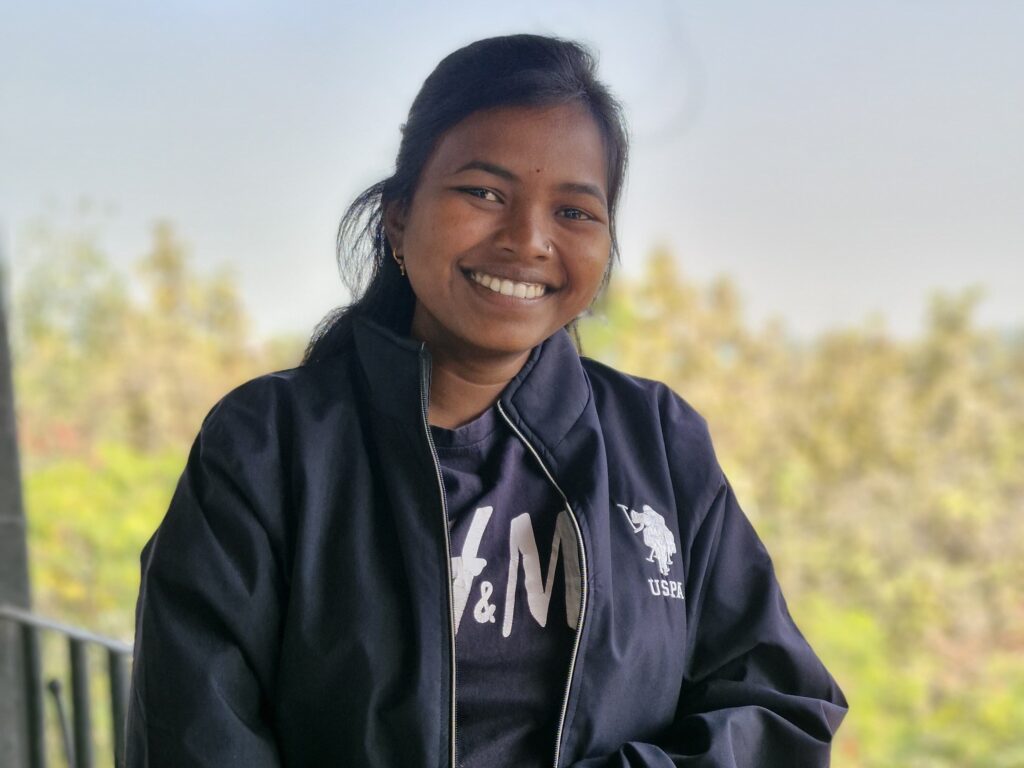
Why did Pallavi dare to start a conversation about ‘sending girls to the school in the nearby village’, despite the fear of how a conservative community might react?
For years, not a single Bharwad girl from the Thantthan hamlet went to school beyond Class 4—because everyone simply assumed, “Families will never allow it.” In 2024, Pallavi chose to speak anyway. She took the risk of starting the conversation. Slowly, that idea began to move—first as a thought, then as discussion, across the community.
And then one day, when she reached the hamlet, she heard something she hadn’t expected: “Asha left for school at 8 this morning.” Five to six girls from the hamlet have started going to school regularly—for the first time.
Girl alone in a village
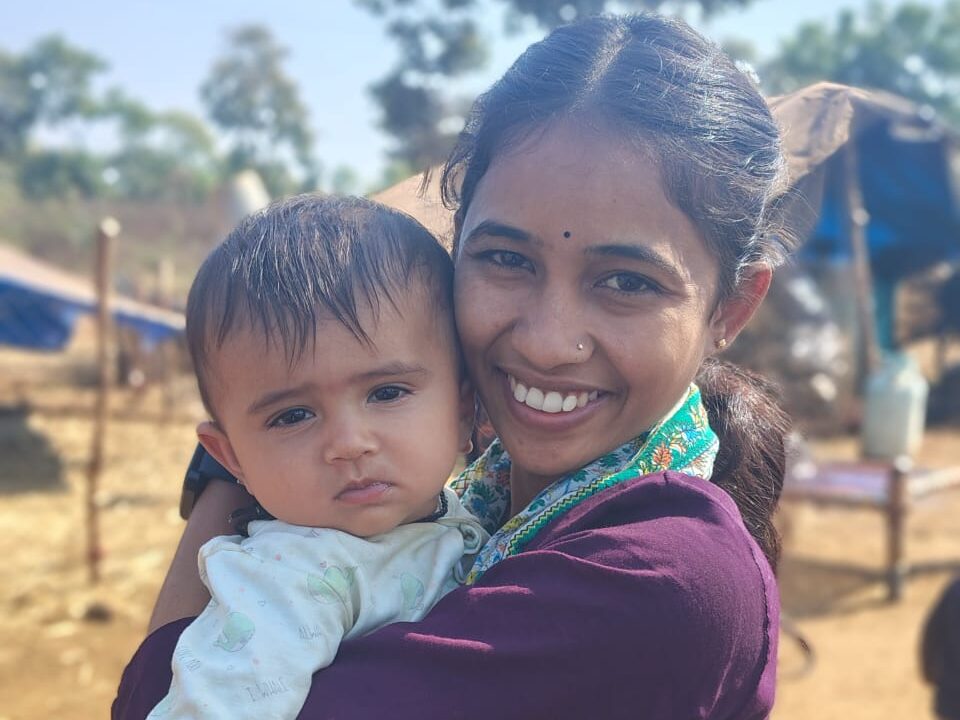
First Pratiksha, and now Rohini—why did they dare to live alone on rent in a village?
Because villages often lack basic facilities, most teachers—women and men alike—prefer to live in nearby towns and travel to the village school every day. As a result, schools often open late and children don’t get enough quality learning time. Pratiksha and Rohini deeply understood Learning Companions’ belief that children shouldn’t have to pay this price.So, despite being young women, despite fears around safety, and despite how difficult it was to even find a room in the village, they chose to stay back with determination.
Because of that choice, a hamlet where not a single child could read or write in 2023 now has 80% of its children reading.
School in the day, school in the night
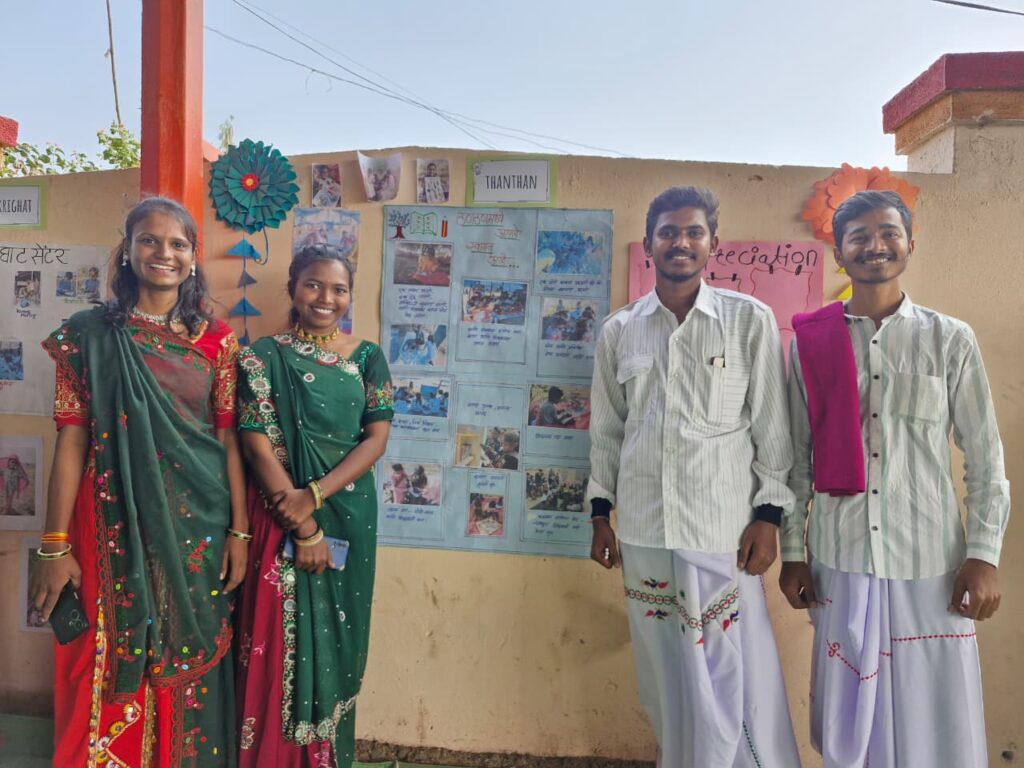
After spending the entire day teaching children, why did Pragati and David choose to work again in the evenings with the women?
They put in extra time to help the women learn how to write their own names. The thought that “next time an official document comes, I won’t have to put a thumbprint—I can sign my name myself” sparked a deep sense of excitement and possibility among the women.
Because of this, they now gather with enthusiasm to learn something for themselves, and their participation in their children’s learning journeys has grown stronger.