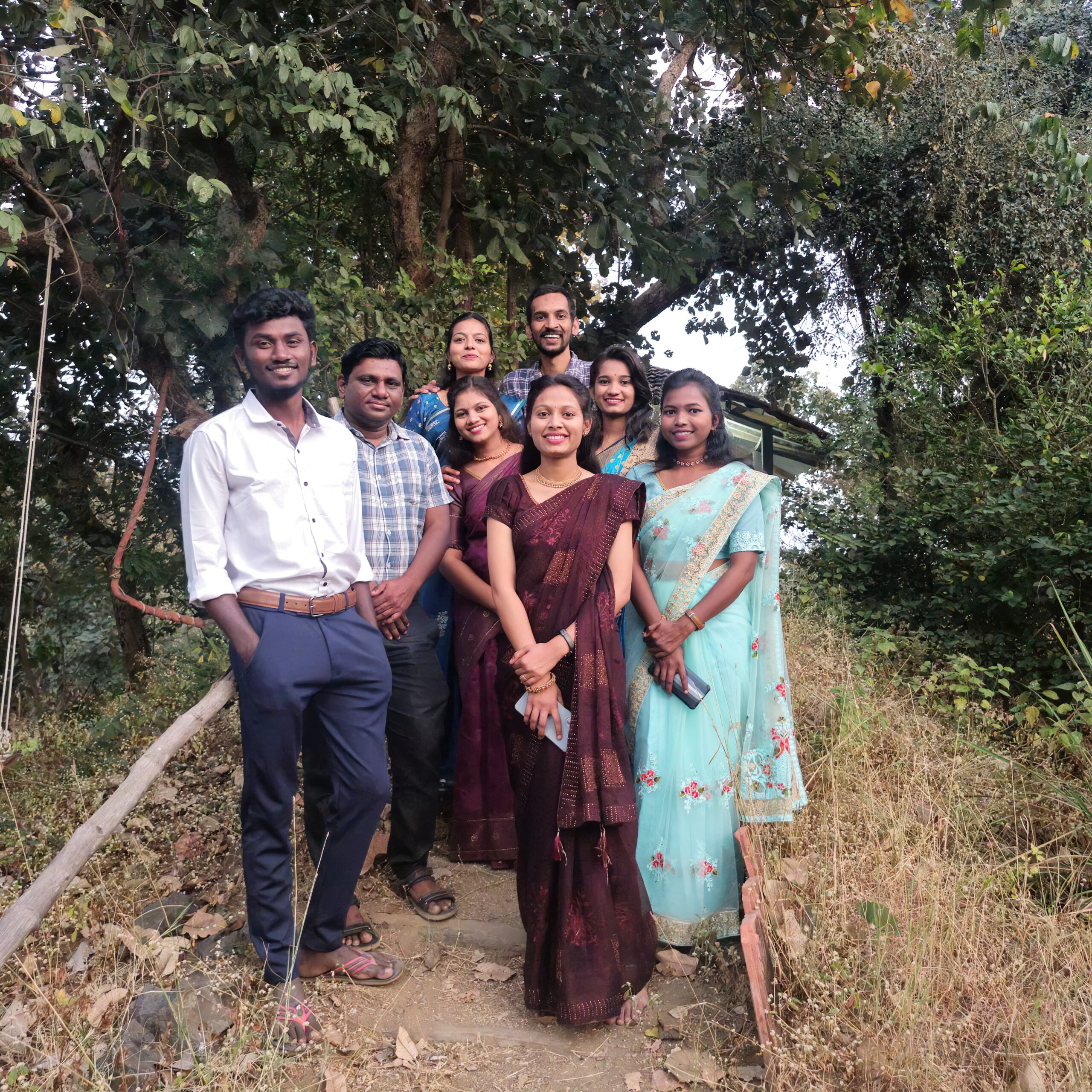
By the time we reached the sixth cohort, it began to feel like many things had settled into place. We were no longer just running to keep up; we had developed the confidence to dream bigger and execute those dreams methodically.
At this stage, we made a final, focused push on reading progress. Three years earlier, literacy levels had been below 10%. They rose to 70%. For us, this was a milestone—not because of a single breakthrough, but because it reflected years of consistent and focused effort. During this period, we moved beyond the idea of “just teaching” in the classroom. We began thinking systematically about the specific learning outcomes that needed to reach each child. Pritam played a significant role in this shift. He takes his own learning process seriously, reflects consistently, and translates that learning into classroom action. His openness and learner-centred approach steadily elevated the quality of the team.
It was also during this time that the Riyaaz Ghar experiment gathered full momentum. Initially limited to the summer, it evolved in this cohort into a year-long initiative. A small experiment gradually began transforming into a sustainable model. As this unfolded, careful documentation, clear communication, and the ability to justify decisions for children in front of adults became crucial. Komal carried much of this responsibility—completing tasks on time, connecting the dots quickly, writing stories, and managing computer-based work. Because of this, it wasn’t just that the work got done; it was understood, recorded, and sustained.
At the level of daily implementation, Nikhil’s role stood out. His classroom planning was systematic, his teaching methods effective, and he consistently completed tasks on time. He approached everything as a learning opportunity, often finding creative solutions. His communication skills and technical understanding supported the team in many ways. Nikita brought a different strength—when she commits to something, she sees it through. She supported the team proactively, stepped in to help without being asked, contributed to documentation, and maintained a straightforward approach that kept the team’s rhythm steady.
Throughout it all, Pallavi’s resilience was evident. Even as circumstances shifted, she remained steady in her work. She built a strong bond with the older girls. When something didn’t work immediately, she learned, tried again, sought feedback, and improved. Her ease in connecting with others and her warm communication became a steady source of support through the year.
The journey of the sixth cohort taught us something fundamental: major milestones are not achieved through dramatic actions, but through small, consistent efforts—and those efforts gain meaning when, as a team, we make space for each other’s strengths.