By the fifth cohort, there was growing predictability in the team’s capacity development, planning, and support systems, which brought stability to the work. With that foundation in place, we shifted toward a clearer, more structured, focused, and outcome-driven approach. Until then, our biggest priority had been ensuring that fellows stayed in the field. Once that was achieved, we began working more systematically and assertively toward improving children’s learning outcomes.
This year, for the first time, literacy among children from the Bharwad community reached 42%. It was not just a number—it was evidence of purposeful and consistent effort. For the first time, we were able to work on literacy in a deep and impactful way.
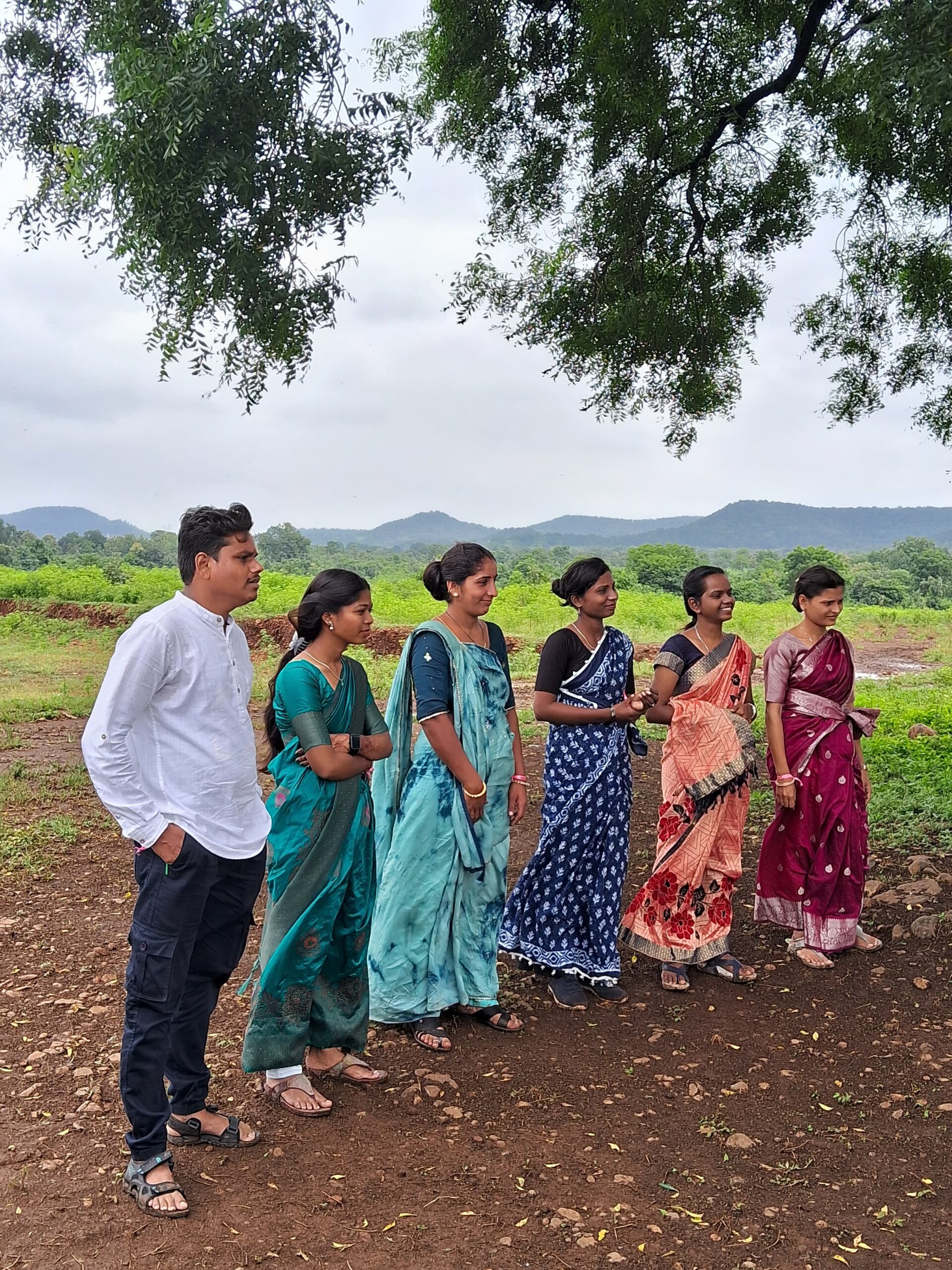
Throughout this journey, it was people who kept this stability alive. Wherever Pratiksha worked, she created a positive and safe learning environment for children. Her friendly nature, ease of communication, and belief that “adapting matters” helped her build quick connections—whether on the bedas or within the community. Even when children were restless, she remained patient. She stayed committed to her lesson plans and would say, “I’ve given my 100% effort; even if children take half of it, that is enough.” This mindset became a source of strength for the team.
Pallavi handled technical details and practical decisions calmly. Her travel management, resourcefulness, and ability to navigate unfamiliar cities proved invaluable many times. Sushama connected easily with children—she would engage them with warmth, sing songs, and find “learning” in every activity. Her readiness to work in any situation, patience, and collaborative spirit helped her build strong relationships not only with children but also within the team.
Aditya’s calm and composed nature, along with his habit of noting everything down and planning before beginning work, ensured clarity and discipline. Outside of work, he remained equally simple—enjoying conversations while cooking and spending time with friends. Janak constantly worked on her own growth. She kept thinking about what new experiences she could offer children, learned continuously, experimented, and embodied a growth mindset—nurturing curiosity and confidence among the children.
During this period, in 2024, the Riyaaz Ghar project was launched—our first two-month-long Riyaaz Ghar implemented with such ambition. It was not merely an activity; it was a reflection of our vision, planning, and execution.
This batch demonstrated something important: when people systems are strong, focus is clear, and we stand firmly for learning, results follow—and they endure.