Compilation and Editing – Pallavi Shambharkar
2026–27 Institute: A Journey of Dreams, Courage, and Transformation
– Janhavi Kale
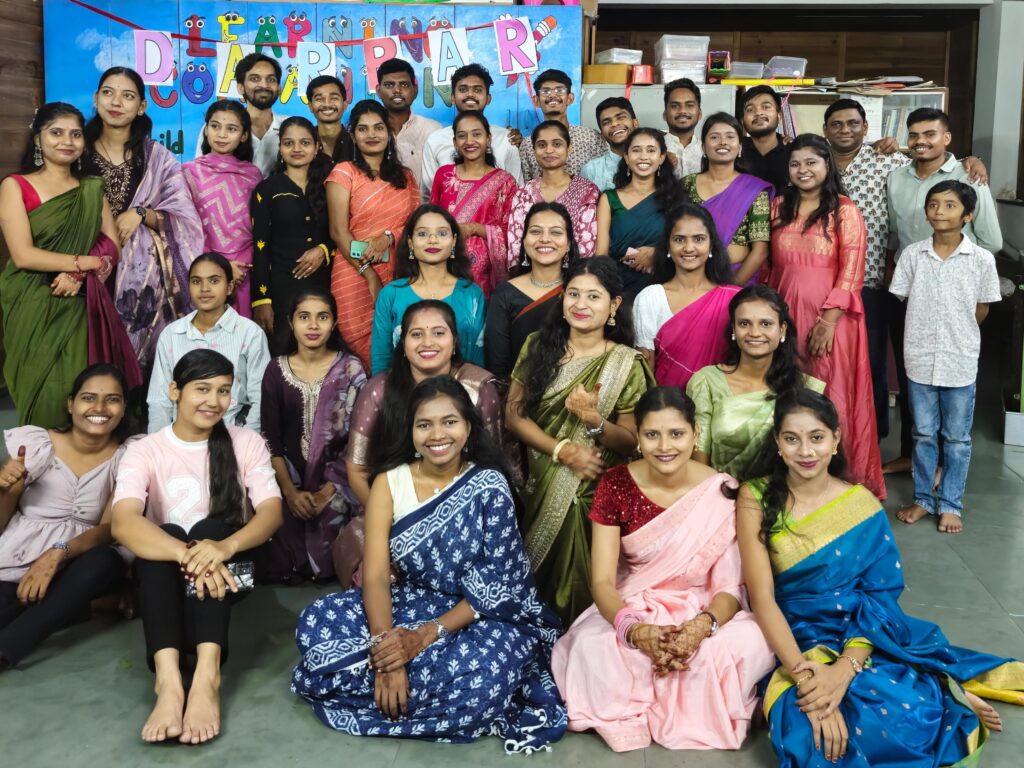
The 2026–27 Institute was much more than a month-long training program; it was a journey of learning, growth, and transformation for both Fellows and children.
On the first day, participants arrived with excitement and curiosity, wondering whether one month could truly make a difference. The Institute was designed with the belief that real learning is not just about gaining knowledge but about becoming a more confident, thoughtful, and compassionate individual.
The Institute was built around four core values—Vision, Courage, Reflection, and Relationships. These values were woven into every session, activity, and discussion. Guided Sessions, Reflection Spaces, and Self-Study Spaces encouraged participants to think deeply, share their experiences openly, and learn from one another. This approach created an environment where everyone felt supported to grow both personally and professionally.
Months of careful planning went into designing the Institute. Every session, activity, song, energizer, and facilitation strategy was thoughtfully prepared to create engaging learning experiences. Fellows also participated in practice sessions with Pre-Primary and Primary children, which helped them build confidence and improve their teaching skills. These experiences taught them how to create joyful classrooms, connect with children through empathy, and make learning meaningful.
Learning extended beyond the classroom through educational visits to places such as Ambazari Lake, Reading Keeda Library, and other local learning spaces in Nagpur. For many children, these visits were their first opportunity to explore a new city and experience different environments. The trips encouraged curiosity, creativity, and teamwork while helping children develop new perspectives about themselves and the world around them.
By the end of the month, the transformation was clearly visible. Fellows who had once been hesitant were now confident leaders, ready to bring positive change to their communities. The questions they had on the first day had found their answers through experience and reflection. The 2026–27 Institute was not just a training program—it was a journey that inspired dreams, built courage, strengthened relationships, and laid the foundation for lasting change.
Riyazghar – A Journey of Learning, Experiences, and Joy
– Mayur Gedam
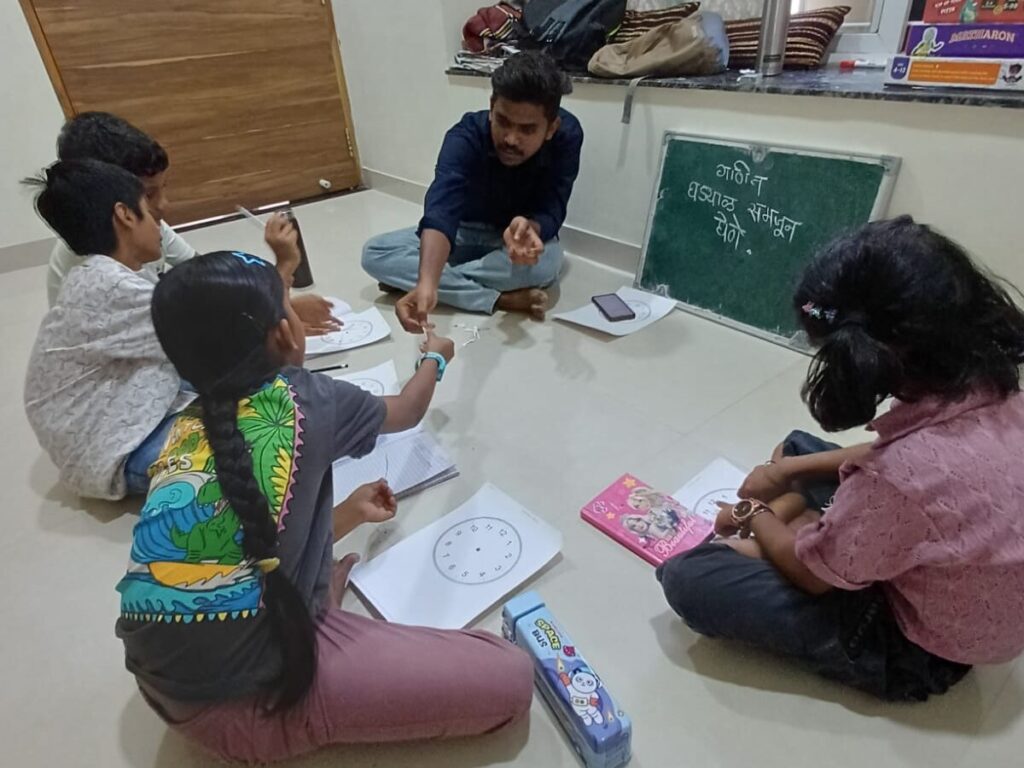
This year, Riyazghar was organized in Nagpur city instead of on the settlement, making the experience both unique and memorable.
Unlike previous years, when sessions were conducted in a small hut on the settlement, this time they were held in the home of a parent. The warm, homely, and safe environment created a welcoming space where children could learn comfortably. Riyazghar brought together children of different age groups to support their education while encouraging personal growth through joyful and engaging learning experiences.
The program included lessons in English, Marathi, Hindi, and Mathematics, along with book reading, games, creative activities, Exposure Visits, and External Visits. While some children regularly attended school and were familiar with classroom learning, they had limited opportunities to explore the world beyond it. The exposure visits became an important part of the program, allowing children to discover new places, meet inspiring people, and experience fresh ideas that broadened their perspectives and encouraged curiosity.
Each day began at 5:00 p.m. with a Literacy Hour, followed by a dinner break and an Adventure Hour. Learning objectives were carefully planned, and lessons were delivered through interactive games, hands-on activities, and engaging teaching methods. Considerable thought went into designing meaningful learning experiences, selecting suitable exposure visits, and planning adventure activities, making the entire program enjoyable as well as effective.
Four children—Anu, Veera, Atha, and Nirav—participated in Riyazghar. The small group size made it possible to provide individual attention and tailor learning to each child’s needs. Activities after the daily prayer became the children’s favorite part of the program. During the External Visits, they interacted with people from different professions, including a guitarist who introduced them to music, an artist who guided them in painting, and educators who encouraged creativity through craft activities. These experiences helped the children develop new skills, express their ideas, and build confidence.
Throughout the program, many positive changes were visible. Although the children sometimes argued or became upset, they soon learned to apologize, forgive one another, and continue playing together. Their growing friendships and improved behavior reflected the impact of the learning environment. Daily Reflection and Closing Space gave them an opportunity to think about their experiences and share their feelings. On the final day, the children spoke enthusiastically about how much they had enjoyed the activities, the teaching methods, and the new experiences. Even today, they hope Riyazghar will begin again during their holidays—a hope that inspires the vision of creating many more joyful learning experiences in the future.
A New Path to Education – The Beginning of a Dream
– Kunal Mahurkar
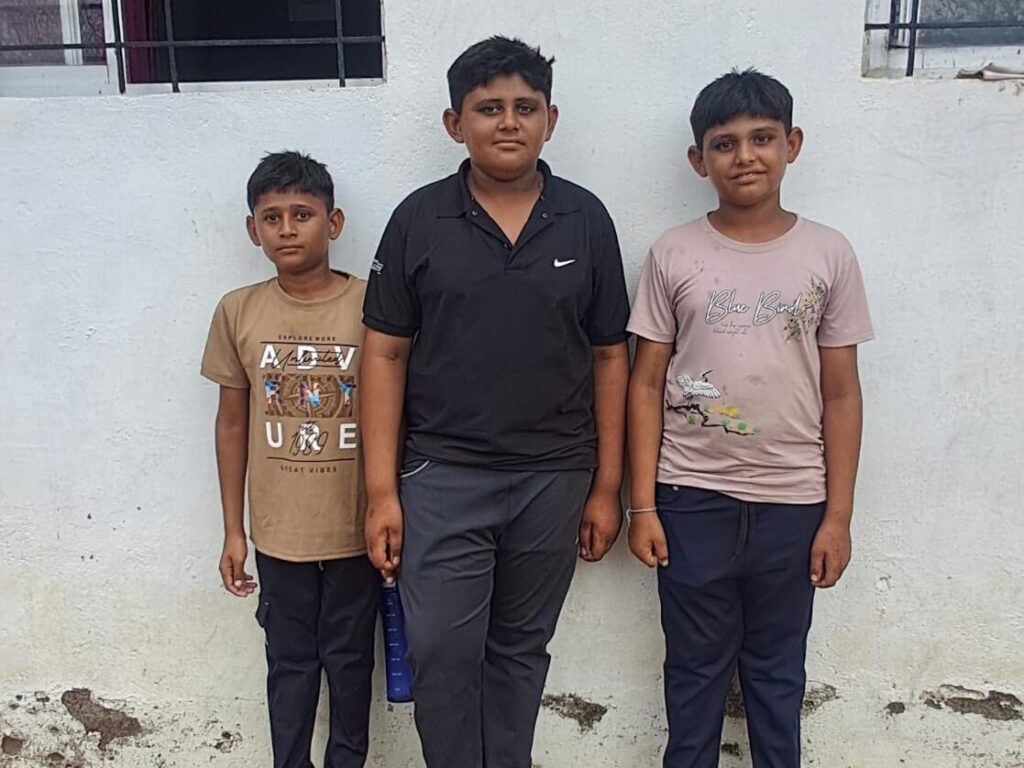
Over the past five to six years, a positive shift toward education has begun to emerge within the Bharwad community. Parents are increasingly recognizing the importance of ensuring that their children receive a quality education.
They now understand that education is not only about securing a job but also about building confidence, making informed life choices, and creating better opportunities for the future. Although the community’s migratory lifestyle often makes continuous schooling difficult, the desire to educate their children has grown significantly.
Some time ago, Vijay left school and began learning to operate JCBs, tractors, and other heavy vehicles. He would visit construction sites, observe experienced operators closely, and quickly master new skills. While his family admired his practical abilities, one question remained unanswered: What about Vijay’s education? Gradually, his younger brothers and several other children also drifted away from school, raising concerns about their future.
A turning point came when a child from the Bharwad community completed Class 10 with excellent marks while studying at a residential school. Inspired by this success, several parents decided to enroll their own children in residential schools. However, because the children had been out of school for a long time, they were not at the expected academic level for their age, and their admission requests were initially declined. After learning about the situation, I met with the school’s teachers and explained that these children deserved another opportunity. With the right support and learning environment, I believed they could successfully return to education.
For nearly a month, continuous discussions were held with the school. Finally, the long-awaited phone call arrived: “If the children are truly willing to learn, we are ready to give them a chance.” Encouraged by this decision, the parents enthusiastically prepared all the necessary educational materials. Soon after, Vijay, Mahesh, and Rahul were officially admitted to the residential school, marking a significant milestone for their families.
The moment of leaving Vijay and Rahul at the residential school was deeply emotional. As they stepped into a new chapter of their lives, tears filled their eyes as they said goodbye to their families. Yet, within moments, they gathered their courage and embraced the opportunity before them with hope and determination. That day was not just about the admission of three children—it marked the beginning of a new chapter in the Bharwad community’s journey toward education and a future filled with possibility.
Institute Experience – A Journey from Learning to Leadership
– Minanath Dadmal
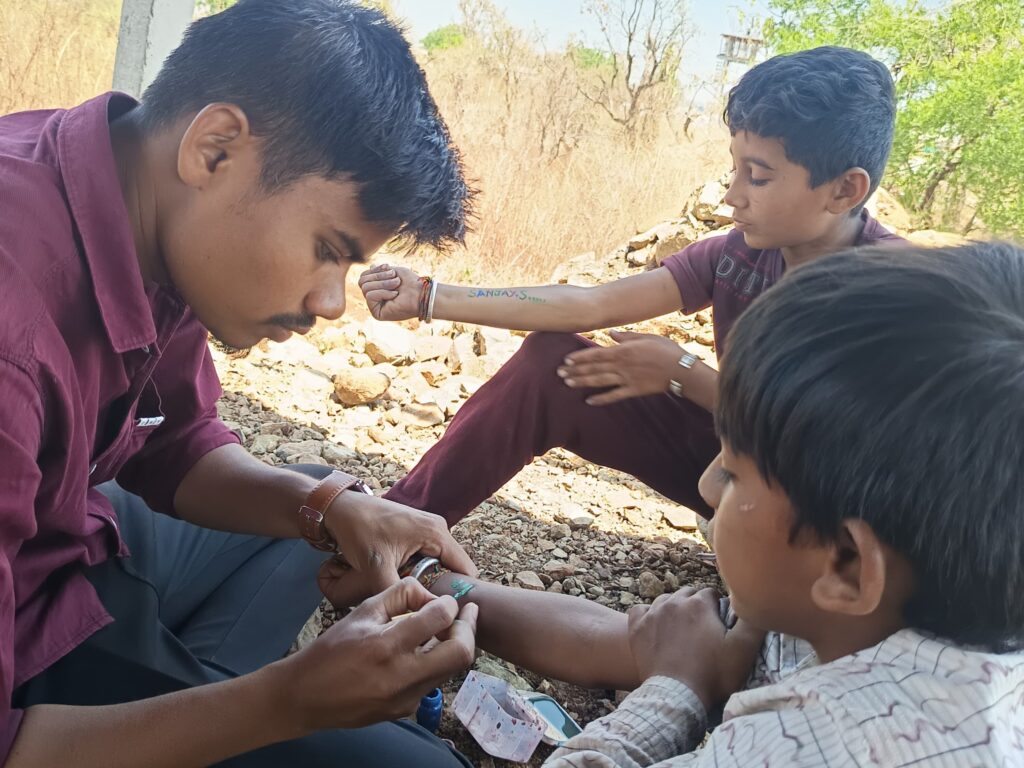
I am Meennath, currently in the second year of the Learning Companion Fellowship. This year gave me an opportunity to gain a deeper understanding of how the organization functions, especially its recruitment process.
I closely observed how new Fellows were selected, how interviews were conducted, how candidates were assessed, and how final decisions were made. Being actively involved in this process helped me better understand the organization’s approach and made the experience both meaningful and enriching.
During the Institute, I participated in several important sessions and was also entrusted with facilitating a few of them. I learned how to design effective sessions, set clear learning objectives, engage participants, and explain concepts in a simple and interactive way. Observing experienced facilitators also allowed me to understand different teaching styles and reflect on ways to improve my own practice. These experiences strengthened my communication, planning, and leadership skills while increasing my confidence as a facilitator.
One of the most memorable parts of the Institute was spending two days in the community settlement. Last year, I attended the Institute as a Fellow, where my classes were observed as part of my learning journey. This year, however, my role had changed. I had the opportunity to observe the teaching practices of the new Fellows, provide constructive feedback, and support their professional growth. This experience helped me develop stronger observation skills and taught me the importance of mentoring and guiding others with empathy.
Another significant responsibility was accompanying the new Fellows to the settlement and ensuring that they felt comfortable throughout their stay. From managing accommodation and meals to introducing them to the community and helping them understand the local culture, I was involved in supporting their overall experience. Taking on these responsibilities strengthened my leadership, teamwork, and coordination skills. It was rewarding to see the new Fellows gradually build confidence and form meaningful connections with the community.
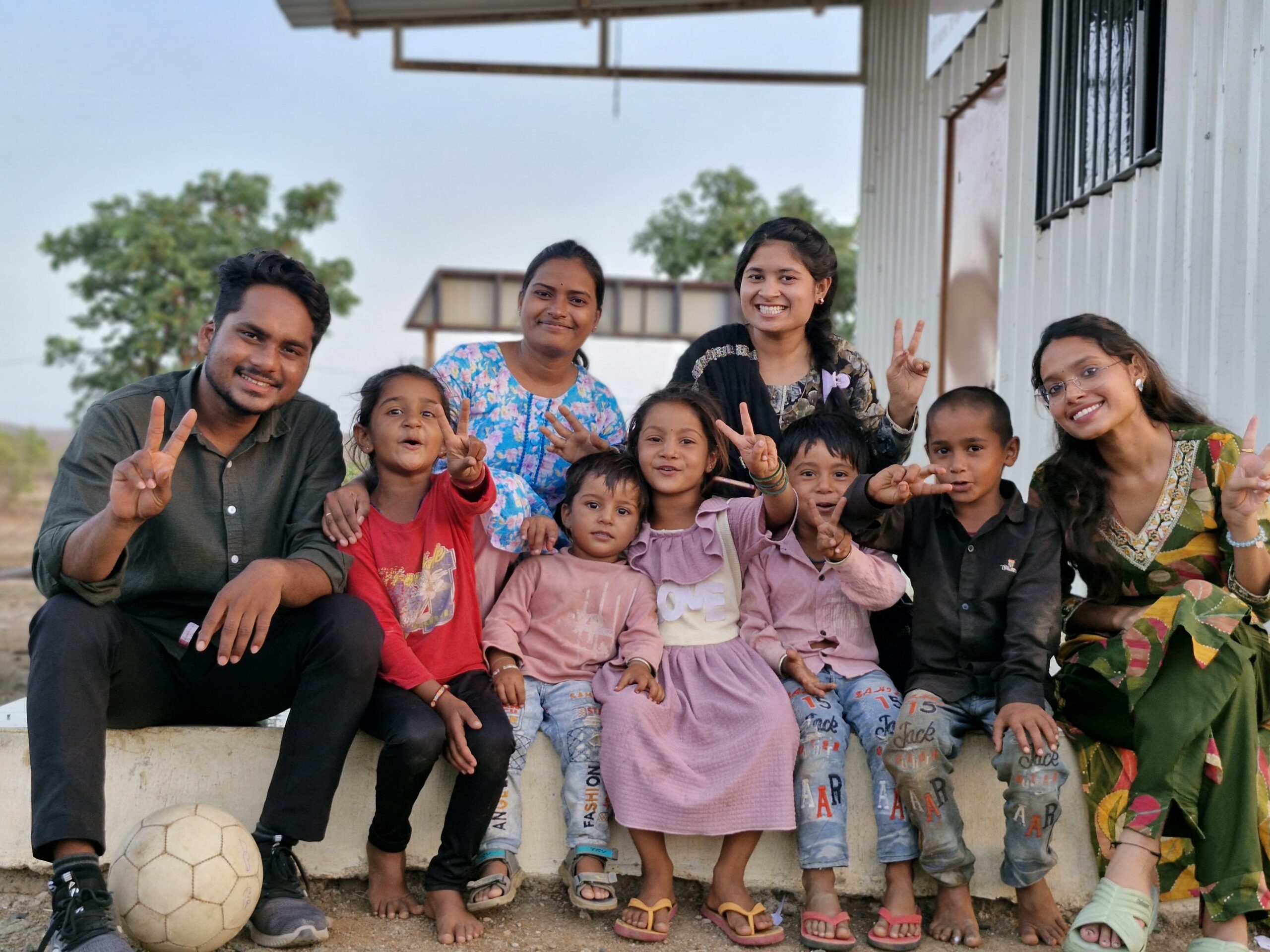
Overall, the Institute was far more than a learning experience—it was a journey of personal growth and leadership. Living in the community enabled the new Fellows to understand the local culture, rural realities, and the importance of building strong relationships with the people they serve. For me, this experience enhanced my abilities in planning, communication, observation, coordination, and responsibility. The lessons I learned during this journey will continue to guide me as I work towards becoming a more effective educator and leader in the future.